
When news headlines are focused on Cat 4 and 5 hurricanes and major wildfires, it can be easy to miss the quiet crises stirring closer to home. Many losses today often arrive unannounced: a stealth hail burst, a ruptured ice-maker line, or a malicious link in an email. These risks are large and growing—but they can also be managed with smart technologies, the right insurance coverage, and guidance from independent agents.
Helping to build greater awareness of these types of risks is just the start for agents. Agents are also instrumental in educating clients about the dangers, prevention strategies, and insurance products to protect against their losses.
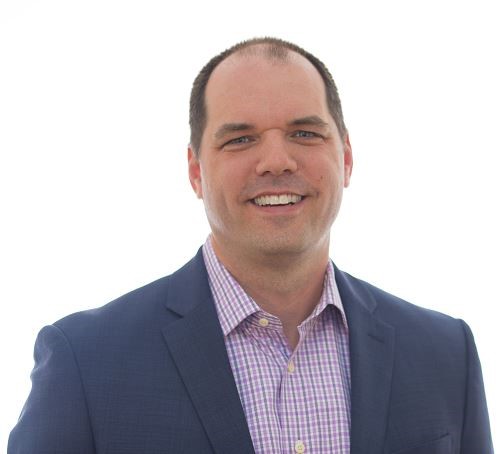
“There’s been a noticeable rise in claims from non-weather-related events, particularly non-weather water damage. These types of claims are becoming more frequent and more costly, directly impacting homeowners and auto insurance claims,” said Daniel Halsey, President of Personal Lines, The Hanover Insurance Group.
Risk #1: Hail takes center stage
Last year, losses from hail rose nearly 58%, driven by the number of hailstorms and the amount of large hail, according to LexisNexis 2024 Home Trends Report. It’s not a new risk—but it’s growing in intensity and everything it touches is more expensive to replace. Roofs are costlier, materials are harder to source, and labor is in short supply.
“Hail often flies under the radar because it typically accompanies common convective storms, like wind, lightning, rain, or tornados,” explained Halsey. “However, it has quickly become one of the most expensive sources of loss in personal lines insurance.”
There are additional complications when it comes to hail. Roofing contractors, often armed with real-time hail maps canvass neighborhoods, encouraging homeowners to sign quickly for new roofs to be paid by insurance.

members of his fire department
“We’ve seen a bad storm hit at midnight, and by 8 AM the next morning, contractors are going door to door, asking people to sign contracts, assigning the claims to them. This takes the homeowner completely out of the loop, and doesn’t give them any time to assess the damage and take the right actions,” explained Mark Suhr, President of Suhr & Lichty Insurance Agency in Seward, Nebraska. “We’ve developed a lot of education for our customers, including a brochure and educational meetings that lay out the steps to take immediately following an event, what can wait, and more. We’ve also created a network of reputable, reliable contractors that we can refer them to.”
Insurance agents play a critical role, before and after a hailstorm. “Agents can guide customers to work with trusted contractors and help them understand the specifics of their policies and they can add tremendous value by building a network of trusted service providers – like roofers – who prioritize the homeowner’s best interests,” Halsey said.
Risk #2: Interior water risks are rising
The growing impact of non-weather water damage is clear. Burst pipes, faulty appliances, and laundry mishaps are more common than ever, especially as homes have gotten bigger, with more water sources. And they’re not minor issues—they can displace families for months with significant costs to repair.
But unlike hurricanes and other large storms, consumers can do something to prevent interior water losses. Non-weather water damage generates roughly 35% of home losses today, according to The Hanover. And given the potential damage, it’s an area that’s ripe for better prevention.
“One of the most interesting findings in our 2025 Hanover Home Report is that while many homeowners are aware of the common risks and the tools available to mitigate them, there’s a clear gap between awareness and action. For example, 79% of consumers said they were aware of water sensors, yet only 16% had them actively installed in their homes. Similarly, 61% were familiar with fortified roofs, but only 17% reported having one,” Halsey said.
Availability of technology solutions creates an opportunity for agents to help guide and educate consumers on the options, as many are looking for more resources and information about where to start.
There is some good news. More technology to prevent damage is available and much of it is affordable. It’s a matter of making more people aware and helping them find the right solutions. “There’s been a growing investment in both education and technology solutions to help homeowners better protect themselves from this increasing risk, such as smart leak detectors and automatic shut-off valves,” Halsey explained.
Risk #3: Cybercrime comes for consumers
Cyber threats, once reserved for big businesses, are now hitting more consumers. Ransomware, identity theft, data breaches, and online harassment are all potential hazards in an online world. They’re more dangerous and prevalent than ever.
Last year cybercrime was up 33% from the prior year, and criminals stole $16.6 billion from consumers, according to the FBI’s Internet Crime Complaint Center. And a World Economic Forum survey showed that home devices—like routers and Smart TVs—face an average of 10 attacks a day.
The threat is real and growing, and for consumers, traditional homeowners insurance may not cover it. Most standard policies exclude online harm and require separate endorsements or standalone cyber insurance. But adoption of additional coverage remains low, with many homeowners unaware of the coverage or concerned about cost.
Knowledge breeds power
Independent agents can take steps to guide their clients, helping them prioritize upgrades, identify trustworthy vendors, and understand how small changes today can prevent massive losses tomorrow.
“Most advertising in the insurance space focuses on home and auto coverage, so it’s no surprise that many customers aren’t as familiar with other insurance products like umbrella, cyber or valuables coverage,” said Halsey. “Agents can take the lead in explaining these offerings, from the trends they’re seeing—such as the increase in lawsuits—to real-world claims examples. The difference between a disaster and a nuisance often comes down to one conversation—held before the storm, not after.”
Protecting Consumers from the Silent Surge: 5 Things Agents Can Do
- Educate clients on emerging risks
Actively discuss the growing and evolving risks homeowners face today, from hail and water damage to cyber threats. Use current events, trend reports, and actual claims to show examples and tell stories. - Promote preventative technology
Encourage clients to install tools like water sensors, automatic shut-off valves, and smart home security to reduce damage before it happens. Share examples of home fortification methods, such as types of roofing and building materials and help them understand their insurance policies so they can determine the right time to invest in improvements. - Build trusted contractor networks
Identify reliable and trustworthy networks of service providers within the community. Connect homeowners with reputable local contractors after events like hailstorms to avoid rushed or misinformed decisions. Before the storm, work with clients to educate them on how and when to make repair decisions. - Explain coverage gaps clearly
Review insurance policies with clients to highlight what’s not covered (e.g., cybercrime) and recommend endorsements or standalone policies. - Bridge the awareness-to-action gap
Recognize that many homeowners are not familiar with the latest and greatest technology. Help inform then and remember it may take multiple discussions and information-sharing to make a decision. Help clients move from knowing about protections (e.g., fortified roofs, leak detectors) to actually investing in them.




 PIA Connection Online
Leave a comment